18+. Full T&C's apply. Sports bonus: 100% match up to $500. Casino bonus: 100% match up to $500. Enter promo code NEW200 at deposit and get up to a $1000 bonus. Valid on your first three (3) deposits. Available for all deposit methods. Minimum deposit of $50.
18+. Full terms apply. The Bet Back Bonus is available for new customers on first-time deposits of $50 or more. To redeem, select the offer in the cashier while completing your first deposit. Make your pick(s) in the Sportsbook and then select ‘Opt In to Use Your Bonus’. A Bet Back Bonus pop-up will display, select ‘Claim’ and then enter the risk amount to place your bet. If it wins, you keep your profits. If it loses, get 100% of your risk refunded as Free Play with only 1-time rollover. Free Play can then be used to place bets in the Sportsbook and earn cash. Additional T&Cs apply, please visit MyBookie to access the Help Center or contact Live Chat for more details.
An offshore sportsbook is an operator based or licensed outside the bettor’s country or state. The label describes jurisdiction; it does not automatically mean the operator is illegal, unsafe, or poor quality. Legality depends on both the operator’s status and the rules where the bettor is located.
The practical difference often appears when something goes wrong. Locally regulated books generally answer to a domestic regulator and follow local standards for identity checks, advertising, account controls, and customer funds. Offshore operators may follow another jurisdiction’s requirements—or hold no recognized license—making protections harder to verify or enforce.
Before opening an account, it is worth checking:
Licensing: Which authority issued the license, and can it be verified?
Complaints: Is there an independent dispute process, or only in-house support?
Consumer protection: Are withdrawal rules, fund safeguards, and responsible-gambling tools clearly stated?
Taxes: Winnings may be taxable based on residence, regardless of where the sportsbook operates.
Eligibility depends on more than a country appearing at signup.
A sportsbook’s accepted-country list is only a starting point. Access usually depends on several conditions lining up at once:
Legal residence: The registered home address must be in an eligible jurisdiction.
Physical location: A permitted resident may still be blocked while traveling or staying in an excluded region.
Minimum age: The applicable threshold may come from local law, the operator’s rules, or both.
Verification: Identity, address, and sometimes source-of-funds documents must be available and accepted.
Local law: An operator accepting registration does not necessarily mean betting is lawful where the customer lives or places a wager.
Regional restrictions can be narrower than national rules. A sportsbook may accept a country but exclude particular states, provinces, territories, or sanctioned areas under its license terms.
Practical access also depends on moving money. A supported card or wallet may permit deposits but not withdrawals, while currency conversion, bank restrictions, and name matching can create further barriers. Comparisons of options serving residents across multiple countries should therefore examine verification and cash-out policies—not merely signup availability.
Before depositing, the safest check is to read the restricted-jurisdictions clause, confirm withdrawal methods, and verify the rules that apply in the bettor’s current location.
A passport proves identity—not necessarily residence
01
Identity and nationality
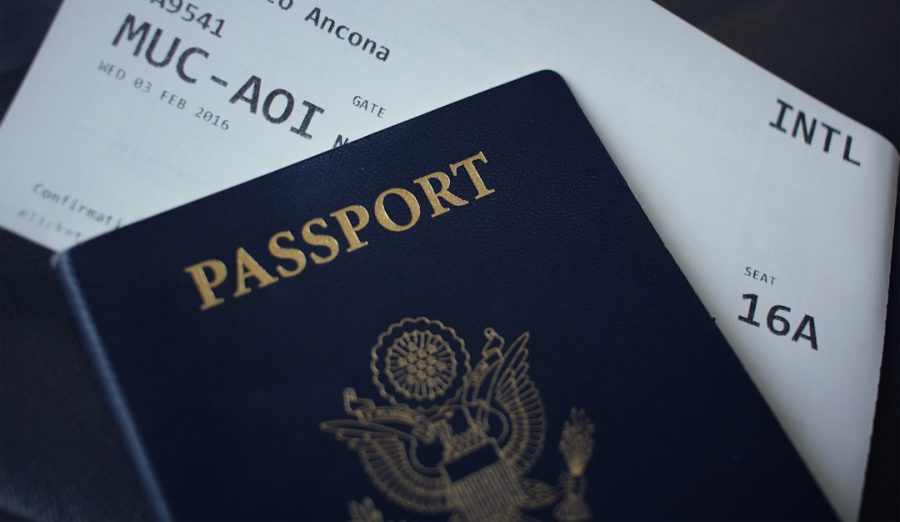
A passport or national ID usually confirms legal name, date of birth, photograph, and citizenship. A passport may be accepted even when its issuing country differs from the account holder’s current country of residence.
What should match
The registered name and birth date exactly match the identity document.
Common mismatch
Nicknames, altered spellings, expired documents, or an incorrect nationality.
02
Residential address
Residence is commonly checked separately through a recent bank statement, utility bill, tax letter, or government document. The operator may assess eligibility according to where the person ordinarily lives, not which passport is held.
What should match
The account country, full address, and proof-of-address document all agree.
Common mismatch
Mail-forwarding addresses, temporary accommodation, or outdated documents.
03
Payment details
Cards, bank accounts, and e-wallets generally need to belong to the verified account holder. Their billing country or address may also be compared with registration records.
What should match
Matching account-holder name, billing address, and payment country.
Common mismatch
Third-party payments or unexplained cross-border discrepancies.
04
Current location
Even verified residents may face access limits while physically present in a restricted jurisdiction. Location checks and residence checks answer different questions.
What should match
Login location permitted under the operator’s rules and local law.
Common mismatch
Treating successful identity verification as permission to bet everywhere.
The legal name, birth date, and residential address should match the supporting records exactly. Abbreviations or an old address can trigger a manual review.
02
Use accepted, current documents
A valid identity document and recent proof of address are commonly requested. Screenshots, expired IDs, or unsupported document types may be refused.
03
Submit readable images
All corners, text, dates, and document numbers should be visible. Glare, blur, cropping, and heavy compression often cause avoidable delays.
04
Wait for confirmed approval
Creating an account—or even placing a bet—does not prove full eligibility. Approval provides a firmer indication that identity and residence checks have passed.
05
Expect possible withdrawal checks
Some operators review documents only when funds are withdrawn, when payment details change, or when account activity requires another check.
A successful signup is not final approval
An account may appear usable before verification is complete. Depositing early can leave funds subject to document checks later, so verification status and withdrawal rules matter more than a working login.
Residence and location can produce different answers
Travel can change access without changing account eligibility.
A resident registering from home presents the simplest case: the declared residential country and current location match. Identity, address, age, and payment checks may still apply before betting begins.
An existing customer abroad keeps the same residence but acquires a new current location. Depending on the destination and operator, login may remain available while betting, deposits, or withdrawals are restricted. A short trip should not be reported as a residential move.
A tourist opening a new account faces the reverse. Physical presence in an accepted country may not satisfy residency rules; a hotel address, foreign payment method, or lack of local documents can stop registration.
Before travel, check the destination rules, available account functions, and whether support requests advance notice.
Important
Do not disguise the connection
VPNs, false addresses, borrowed documents, and other location-bypassing methods can breach account terms and cause restrictions. If access is blocked, stop and ask support what is permitted.
Each account function may have different requirements
A sportsbook can appear accessible while important functions remain unavailable. Technical access should never be treated as proof that gambling is permitted under local law or the operator’s terms.
The main layers are:
Website loading: The public site may open even where registration or betting is restricted. Network, hotel Wi-Fi, or DNS filtering can also prevent loading.
App availability: Apple and Google stores use account regions and local distribution rules. An absent app does not necessarily mean the website is unavailable; a mobile browser may be officially supported instead.
Login: Existing customers may be able to sign in while traveling, yet encounter location checks, security reviews, or account limits.
Deposits: Funding depends on accepted countries, payment providers, account ownership, and supported currencies. Currency conversion can add fees or produce a less favorable rate.
Wagering: Placing a bet may require fresh location, age, or identity checks even after login and deposit.
Withdrawals: Cashing out often triggers the strictest review, including proof of address, payment-source checks, and limits on available methods.
Language settings may translate menus without translating rules or support conversations. Support hours matter too: a service advertised as “24/7” may offer overnight help only through email or automated chat.
Travel can trigger a fresh location check even when an account was verified at home. A blocked login, disabled wagering, or delayed withdrawal may reflect regional rules rather than permanent closure. If a sportsbook account is locked abroad, repeated login or payment attempts should stop while official support investigates.
A permanent move may require a new address, tax details, phone number, payment method, or proof of residence. The licensed operator and available features may also change. Reviewing what may happen to an account after moving countries can help frame questions before contacting support.
Account information should remain truthful and current:
Report the new country and address promptly.
Upload current, unedited documents only through official channels.
Ask which functions remain available during review.
Keep support messages and case numbers.
VPNs, borrowed addresses, or outdated documents can deepen restrictions and make verification harder.
Old accounts and temporary blocks
Similar symptoms can have very different causes
Long-unused accounts may prompt fresh identity, residence, or payment checks. If login succeeds but betting or withdrawals remain restricted, the problem is more likely account-specific. The safest option is to reopen an old account through support, rather than registering again.
Hotel Wi-Fi creates a different pattern: the site may fail to load while the account itself remains unaffected. A captive portal, content filter, or unstable connection may be responsible. These safe hotel-network diagnosis steps can separate a local network issue from an operator restriction.
Avoid duplicate accounts, VPNs, borrowed payment methods, or repeated login attempts. Such improvisation can violate terms or trigger additional security reviews; documented support channels provide a cleaner record.
Before registration
A cautious pre-registration check
Check local law
Confirm foreign operators are permitted where the bettor resides and is physically present.
Verify the licence
Match the licence number and operator name against the regulator’s official register.
Read the jurisdiction terms
Check accepted countries, age limits, prohibited locations, and residency wording.
Confirm document eligibility
Have current, accepted identity and address documents from supported jurisdictions.
Use the published support channel; expect a specific, timely written response and retain it.
A working page proves little
A website loading—or even accepting registration details—proves little about legal access, account eligibility, or successful withdrawals. If terms, regulator records, and support answers conflict, pause and obtain a clear written answer before depositing.
Conclusion
Proceed only when law, licensing, terms, documents, location, payments, and support answers align. Unresolved gaps warrant stopping.
Top Crypto Sportsbooks for October 2026
BetUS
200% up to $1,000
Code: NEW200
18+. Full T&C's apply.
18+. Full T&C's apply. Sports bonus: 100% match up to $500. Casino bonus: 100% match up to $500. Enter promo code NEW200 at deposit and get up to a $1000 bonus. Valid on your first three (3) deposits. Available for all deposit methods. Minimum deposit of $50.
18+. Full terms apply. The Bet Back Bonus is available for new customers on first-time deposits of $50 or more. To redeem, select the offer in the cashier while completing your first deposit. Make your pick(s) in the Sportsbook and then select ‘Opt In to Use Your Bonus’. A Bet Back Bonus pop-up will display, select ‘Claim’ and then enter the risk amount to place your bet. If it wins, you keep your profits. If it loses, get 100% of your risk refunded as Free Play with only 1-time rollover. Free Play can then be used to place bets in the Sportsbook and earn cash. Additional T&Cs apply, please visit MyBookie to access the Help Center or contact Live Chat for more details.
Tony is the founder and author behind Betting52, where he writes about crypto sports betting, offshore sportsbooks and the wider world of online sports betting. His work covers crypto sportsbook reviews, Bitcoin and cryptocurrency payment methods, betting bonuses, sportsbook comparisons, betting odds, markets and practical betting guides. Tony's aim is to make sports betting information easier to understand, helping readers research sportsbooks, compare their options and make more informed decisions before placing a bet. Alongside sportsbook and crypto betting content, he is interested in the technology, payment systems and security considerations shaping the future of online sports betting.