


Vave Crypto Sportsbook
100% up to 1 BTC
18+ only. Full T&Cs apply.
18+ only. The minimum deposit required to get the bonus is 20 USDT or equivalent in another cryptocurrency. Full Terms apply
Claim Offer 











When a country does not appear in the signup menu, the safest interpretation is simple: that sportsbook is not accepting registrations from it through the current site. The reason may involve licensing coverage, identity-verification capability, payment support, tax obligations, or the operator’s own risk policy.
This is broadly what a restricted jurisdiction means in sportsbook terms. It describes an operator’s service boundary; it is not automatically a statement about national law. Sports betting may be legal locally while a particular overseas brand chooses not to operate there. Conversely, a country appearing in a dropdown does not prove that every resident may legally use the service.
A reliable check uses two different sources:
A nearby country should not be selected as a workaround. Incorrect residency details can cause verification failure, account closure, or withheld withdrawals even when the original issue was only a service limitation.
A sportsbook’s country selector is part of its compliance and account-processing system. Its options often mirror where an offshore sportsbook accepts customers, rather than providing a complete list of places where betting exists.
Several constraints shape that coverage:
The dropdown therefore acts as a gate, not a decorative menu. Adding a country usually requires legal approval, identity checks, payment rails, risk monitoring, and customer support to work together. A missing option can reflect failure at any one of those layers, even when no single law directly forbids the resident from betting.
A sportsbook may ask several country-related questions, and they are not interchangeable. A person can be a national of one country, normally live in another, be temporarily located in a third, and hold documents issued elsewhere. The correct answer depends on the field’s exact label and the definitions in the operator’s terms.
| Field | What it usually refers to |
|---|---|
| Country of residence | Where the person normally lives; legal or permanent residence may be required. |
| Physical location | Where the person or device is currently situated, often checked by geolocation. |
| Nationality | Citizenship, which does not necessarily indicate residence. |
| Registered address | The address attached to the account, usually expected to match address evidence. |
| Tax residence | The jurisdiction treating the person as tax-resident; this may differ from citizenship. |
| Document issuing country | The authority that issued the passport or ID, not the holder’s present location. |
An available country should never be selected merely as a substitute for a missing one. Help text and terms should be checked carefully, and support should clarify genuinely ambiguous labels. A VPN, foreign passport, or overseas payment method does not change residence or physical location. If the required truthful answer is unsupported, signup generally cannot proceed through that form.
Open the signup page in a private window, then reload it. Stale cookies or cached location settings can affect the list.
Check the domain, footer, and region selector. A sportsbook may operate separate sites with different signup forms.
Disable automatic page translation and return the site language to its default. Translated menus can occasionally hide or mislabel options.
Check whether the app is available in that country and compare its signup list with the website.
Turn off any VPN or proxy, then retry on a normal connection. These services can trigger the wrong regional version.
If the country remains absent across clean, official versions, the omission is more likely an actual eligibility restriction.
Read the operator’s official eligibility or restricted-country terms. If they are unclear, ask support in writing whether residents of the country may register and complete verification. A written answer is more reliable than guessing from the selector alone.
A workaround can appear to succeed: the account opens, a deposit clears, and bets are accepted. None of those steps confirms that the customer meets the sportsbook’s location or residency rules.
Sportsbooks often verify identity, address, payment ownership, and physical location only after a trigger such as a withdrawal, larger deposit, unusual login, or routine review. Earlier activity can then be re-examined.
Each shortcut leaves a different inconsistency:
Possible outcomes include suspended access, cancelled bonuses, delayed withdrawals, rejected verification, account closure, or review of unsettled and previously settled bets. The exact result depends on the operator’s terms and applicable rules; successful deposits do not guarantee that winnings will be withdrawable.
If inaccurate details have already been entered, adding more funds or documents can make the review harder. The safer course is to stop betting, retain transaction records, and ask support how to correct or close the account.
Lists of sportsbooks serving international residents are only a starting point. Current terms should expressly accept the bettor’s real country of residence.
Verification requirements should match the documents genuinely available, including accepted ID types, address evidence, and issuing countries.
A suitable operator supports payment methods available locally and permits withdrawals through a practical route. Fees, limits, currencies, and processing times should be published.
The operator’s legal entity and claimed licence should be verifiable through the regulator. Support should be reachable in a workable language and time zone.
Country acceptance does not establish local legality. Before depositing, confirm both local gambling rules from an official source and the operator’s eligibility terms for that residence.
Use the operator’s official page for the actual place of residence, not a similarly branded site serving another market.
Check residence, physical-location, age, identity, payment, and document requirements. All must match the intended account.
If the country list and terms conflict, contact support and retain the reply. Support can clarify operator policy, though not local law.
Never substitute another country, address, phone number, or document issuer simply to pass the form.
An excluded or unconfirmed country calls for an eligible operator—or no bet—not a workaround.
The practical test is simple: proceed only when the correct regional site, published terms, and account details all support eligibility. A missing country should never be bypassed, because registration success does not guarantee verification or withdrawal access.

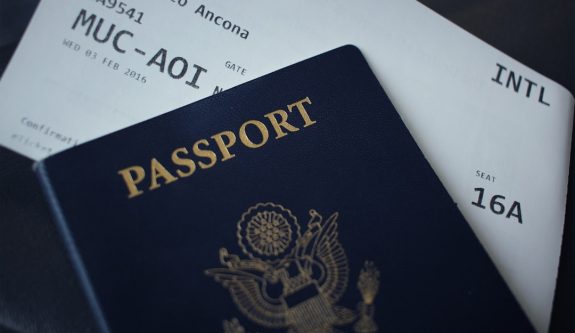
A document can show the correct name and address, look official, and still be rejected.…

An offshore sportsbook is an operator based or licensed outside the bettor’s country or state.…

A corrected address does not always produce an instant approval. The sportsbook may need to…