18+. Full T&C's apply. Sports bonus: 100% match up to $500. Casino bonus: 100% match up to $500. Enter promo code NEW200 at deposit and get up to a $1000 bonus. Valid on your first three (3) deposits. Available for all deposit methods. Minimum deposit of $50.
18+. Full terms apply. The Bet Back Bonus is available for new customers on first-time deposits of $50 or more. To redeem, select the offer in the cashier while completing your first deposit. Make your pick(s) in the Sportsbook and then select ‘Opt In to Use Your Bonus’. A Bet Back Bonus pop-up will display, select ‘Claim’ and then enter the risk amount to place your bet. If it wins, you keep your profits. If it loses, get 100% of your risk refunded as Free Play with only 1-time rollover. Free Play can then be used to place bets in the Sportsbook and earn cash. Additional T&Cs apply, please visit MyBookie to access the Help Center or contact Live Chat for more details.
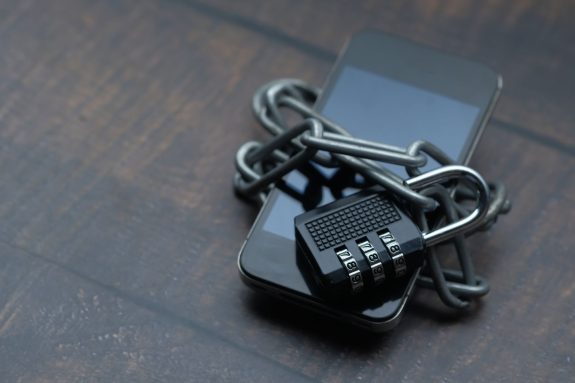
A stolen password becomes dangerous long before an account displays a warning.
An attacker may already be testing a leaked email-password pair while the bettor still sees the usual balance and login screen. A successful entry can expose deposited funds, identity documents, betting history, and a ready-made crypto withdrawal route—all without an obvious alert.
No service can guarantee that credentials will never leak. The practical aim is to make one exposed secret insufficient. A unique password, secured email account, app- or hardware-based two-factor authentication, login notifications, and withdrawal restrictions create separate obstacles. These controls belong alongside the wider habits used to bet with crypto more safely. If one layer fails, another can still block access or buy enough time to freeze the account before a transfer becomes irreversible.
Account audit
Map every route into the account
An account is only as secure as its weakest linked login or recovery channel.
Before changing passwords, list every path that could grant access or reset credentials. Check the sportsbook’s security, profile, and session pages for:
Direct login: username, email address, password, PIN, or passkey.
Linked accounts: Google, Apple, Telegram, or another social sign-in.
Existing access: logged-in browsers, mobile apps, API keys, and remembered devices.
Remove obsolete details, disconnect unused social logins, and sign out unknown sessions. Confirm that the listed phone number and recovery address are still controlled by the account holder.
Top Crypto Sportsbooks for October 2026
BetUS
200% up to $1,000
Code: NEW200
18+. Full T&C's apply.
18+. Full T&C's apply. Sports bonus: 100% match up to $500. Casino bonus: 100% match up to $500. Enter promo code NEW200 at deposit and get up to a $1000 bonus. Valid on your first three (3) deposits. Available for all deposit methods. Minimum deposit of $50.
18+. Full terms apply. The Bet Back Bonus is available for new customers on first-time deposits of $50 or more. To redeem, select the offer in the cashier while completing your first deposit. Make your pick(s) in the Sportsbook and then select ‘Opt In to Use Your Bonus’. A Bet Back Bonus pop-up will display, select ‘Claim’ and then enter the risk amount to place your bet. If it wins, you keep your profits. If it loses, get 100% of your risk refunded as Free Play with only 1-time rollover. Free Play can then be used to place bets in the Sportsbook and earn cash. Additional T&Cs apply, please visit MyBookie to access the Help Center or contact Live Chat for more details.
The linked email account is usually the master key because it receives password-reset links and security notices. It needs its own unique password and multi-factor authentication, preferably through an authenticator app or security key rather than SMS alone.
A reputable breach-notification service such as Have I Been Pwned or Mozilla Monitor can show whether an email address appeared in a known data breach. A match does not prove the betting password was exposed, but it makes reused or similar passwords especially risky.
Credential checklist
Replace reuse with a genuinely unique login
Generate a new password
Use a random generator to create a long credential—20 characters or more where allowed. Avoid names, dates, betting terms, coin tickers, and recognizable patterns.
Keep it exclusive to the betting account
A strong-looking password still fails if reused elsewhere. The betting login, registered email, and any linked wallet service should each have a different credential.
Store it with deliberate tradeoffs
A reputable password manager makes unique credentials practical, but it also concentrates valuable data behind one vault. Review password manager risks for crypto bettors, protect the vault with a unique master password and MFA, and keep recovery material separate.
Remove saved copies from weak locations
Delete credentials from notes apps, chat drafts, screenshots, spreadsheets, and unencrypted browser profiles. Check that clipboard history or cloud photo backup has not retained a copy.
Sign out old sessions
Use the account’s security page to revoke other devices, remembered browsers, API access, and persistent sessions. Then sign back in only on trusted devices.
Routine password changes add little when every replacement is predictable or reused. Change immediately after suspected exposure, phishing, malware, or unauthorized activity.
A password change may not close existing sessions
Some services let active sessions survive a credential reset. Revocation must be checked separately after changing the password.
If no “sign out everywhere” control exists, support can be asked whether tokens are invalidated after a reset. Until confirmed, withdrawal locks, address allowlists, and account alerts provide useful extra containment.
Secure the linked inbox
Protect the recovery channel that can override sportsbook defenses
A strong sportsbook password offers limited protection if an attacker controls the linked email address. Password-reset links, login alerts, one-time codes, and support messages may all pass through that inbox, allowing email access to become an indirect sportsbook login.
Treat the inbox as a separate high-value account:
Replace its password with a generated, email-exclusive password stored in a password manager.
Enable the strongest available authentication, preferably a passkey, security key, or authenticator app rather than SMS.
Review recovery phone numbers, backup addresses, and security questions. Remove anything outdated or unfamiliar.
Sign out unknown sessions and remove devices that are no longer used.
Inspect forwarding rules and filters for hidden copies of security messages.
Revoke unnecessary connected apps, mail clients, and third-party account access.
Store fresh recovery codes offline in a secure location.
A compromised inbox may stay useful to an attacker even after its password changes. A malicious forwarding rule, active session, or authorized app can continue exposing reset emails, so all three areas require inspection. After cleanup, confirm that sportsbook alerts arrive normally and that no recovery message is being silently archived, deleted, or redirected.
Choose phishing-resistant authentication
When available, use a physical security key or passkey. Both resist fake login pages better than copyable codes. Hardware-backed or device-bound passkeys are preferable; synced passkeys also depend on the security of their cloud account.
Security key or passkey: strongest everyday protection against phishing.
Authenticator app: a solid fallback, though codes can still be entered on fraudulent sites.
SMS: use only when stronger options are unavailable; phone numbers can be hijacked through SIM swaps.
Preserve a route back in
Save recovery codes offline, such as on paper in a secure place or in an encrypted removable drive. Avoid screenshots and cloud notes. Register a second key, passkey, or authenticator where the site permits it—SMS should not become the only backup.
Finally, test login and recovery from a private browser window while an existing session remains open. This catches missing codes or misconfigured keys without creating an immediate lockout.
Treat unexpected contact as hostile
Sudden loss of mobile service may indicate a SIM swap. Never disclose passwords, authentication codes, recovery codes, or seed phrases to “support.” Open the betting site manually rather than following links from messages or search ads.
Put friction around withdrawals
Use account controls that slow attackers and surface changes quickly.
A sportsbook balance is custodial: the operator controls the funds until a withdrawal is approved. The destination should be a separate wallet whose keys remain outside the betting account.
Enable every useful withdrawal control the sportsbook offers:
Address allowlisting: permit withdrawals only to a verified receiving address.
Change delays: require a cooling-off period after adding an address or changing email, password, 2FA, or payment details.
Withdrawal PINs and confirmations: use a unique PIN, then require approval through the secured email account or authenticator.
Session limits: shorten automatic logout times and remove old devices or persistent sessions.
Alerts: enable notices for logins, profile changes, new addresses, failed verification attempts, and withdrawal requests.
After configuration, make a small test withdrawal and confirm that alerts arrive promptly. Save the sportsbook’s official support and account-lock links separately; a suspicious notice should be investigated through those links, not through buttons in the message.
Never disclose
Keep wallet secrets outside the sportsbook
A receiving address may be shared, but a seed phrase or private key must never be entered into a sportsbook, support chat, email, or verification form. Anyone requesting either secret is attempting to take control of the wallet.
False confidence
Four protections that are easier to bypass than they look
False
The first search result is the official betting site.
Search ranking is not proof of identity.
Unsafe
A convincing support message can be trusted.
Contact support through the bookmarked site or official app instead.
Partial
A trusted device keeps the account safer.
Convenience can weaken protection on shared or compromised devices.
False
Antivirus blocks account theft.
Antivirus is one layer, not a guarantee.
Step List
Use a saved bookmark
Avoid login links from search results, messages, and social posts.
Check the exact domain
Treat strange spelling, subdomains, or failed password-manager autofill as warnings.
Audit browser extensions
Remove unnecessary add-ons and review permissions after every installation.
Keep devices and browsers patched
Install security updates and avoid logging in from shared systems.
Revoke sessions after suspicion
Sign out all devices and rotate credentials from a known-clean device.
Strong credentials still fail when an imitation page or compromised session captures them.
Readiness checklist
Prepare for a fast, evidence-backed response
Save verified support routes
Bookmark the operator’s official help page and record its published email address or ticket URL. Do not rely on search results, social-media replies, or unsolicited direct messages during an incident.
Turn on useful alerts
Enable notices for logins, password or authentication changes, recovery attempts, withdrawals, and wallet-address updates. Route them to a secured inbox and test that they arrive promptly.
Build an offline recovery pack
Store backup codes, support instructions, and the account’s non-sensitive identifiers—such as username, customer number, and registration date—offline. Never include the password, authentication seed, wallet private key, or full identity-document images.
Write down the containment order
From a known-clean device, secure the linked email first, then change account credentials, revoke sessions, freeze withdrawals if available, and contact verified support. Keep the account-takeover response steps accessible without needing to log in.
Preserve evidence and review regularly
Save alert emails, timestamps, transaction IDs, support ticket numbers, and screenshots without editing the originals. Recheck support details, alerts, recovery material, active sessions, and withdrawal settings every few months.
Complete and test this checklist before depositing or leaving funds on the platform.
Conclusion
Fast containment depends on preparation made while the account is still safe. Verified contact routes, working alerts, offline recovery material, and orderly records reduce confusion when every minute matters.
If compromise is suspected, stop using the questionable device, avoid moving funds impulsively, and document each action taken.
Top Crypto Sportsbooks for October 2026
BetUS
200% up to $1,000
Code: NEW200
18+. Full T&C's apply.
18+. Full T&C's apply. Sports bonus: 100% match up to $500. Casino bonus: 100% match up to $500. Enter promo code NEW200 at deposit and get up to a $1000 bonus. Valid on your first three (3) deposits. Available for all deposit methods. Minimum deposit of $50.
18+. Full terms apply. The Bet Back Bonus is available for new customers on first-time deposits of $50 or more. To redeem, select the offer in the cashier while completing your first deposit. Make your pick(s) in the Sportsbook and then select ‘Opt In to Use Your Bonus’. A Bet Back Bonus pop-up will display, select ‘Claim’ and then enter the risk amount to place your bet. If it wins, you keep your profits. If it loses, get 100% of your risk refunded as Free Play with only 1-time rollover. Free Play can then be used to place bets in the Sportsbook and earn cash. Additional T&Cs apply, please visit MyBookie to access the Help Center or contact Live Chat for more details.
Tony is the founder and author behind Betting52, where he writes about crypto sports betting, offshore sportsbooks and the wider world of online sports betting. His work covers crypto sportsbook reviews, Bitcoin and cryptocurrency payment methods, betting bonuses, sportsbook comparisons, betting odds, markets and practical betting guides. Tony's aim is to make sports betting information easier to understand, helping readers research sportsbooks, compare their options and make more informed decisions before placing a bet. Alongside sportsbook and crypto betting content, he is interested in the technology, payment systems and security considerations shaping the future of online sports betting.