


Vave Crypto Sportsbook
100% up to 1 BTC
18+ only. Full T&Cs apply.
18+ only. The minimum deposit required to get the bonus is 20 USDT or equivalent in another cryptocurrency. Full Terms apply
Claim Offer 











A better price matters most when getting it takes almost no effort.
A $100 wager is ready at -110, and another sportsbook shows -105 on the same side. The first pays $90.91 in profit if it wins; the second pays $95.24—an extra $4.33. On a $20 bet, the difference is about 87 cents. A losing bet costs the same stake at either price, so that extra payout is possible, not guaranteed savings.
If the other app is already funded, checking its line can be an easy habit. Opening a new account for one small wager is a different calculation: identity checks, deposit requirements and time spent moving money may not be worth the potential gain. A bettor can set a switching threshold based on bet size and how often the better price appears, rather than chase every five-cent improvement.
On a $100 winning bet, -110 odds return about $90.91 in profit; -105 odds return about $95.24. That is an extra $4.33 when the bet wins. If it loses, either price costs the same $100 stake, so $4.33 is not a bonus on every wager placed.
The more useful comparison is the break-even win rate. At -110, a bettor must win about 52.38% of bets to cover losses over time. At -105, that threshold falls to about 51.22%. The difference looks small, but it matters when the same kind of bet is made repeatedly.
For example, suppose 100 separate $100 bets produce 52 wins and 48 losses, with no pushes. At -110, the result is roughly a $73 loss. At -105, those same outcomes produce roughly a $152 profit. This example does not predict a bettor’s results; it shows how a better price changes the math without changing a single pick.
That is the practical reason to compare available odds: better numbers reduce the win rate needed to overcome the vig. The benefit is modest on any one bet, but it can become meaningful across many bets of the same size.
Line shopping answers one question: where is the best price for the same wager? It does not answer whether the wager is worth making. Moving from -110 to -105 lowers the break-even win rate to 51.22%, but the bet still has a negative expected return if its true chance of winning is lower.
Suppose a bettor estimates a team’s win chance at 49%. At -105, a $100 stake earns about $95.24 if it wins and loses $100 if it does not. Based on that estimate, the average result across many similar bets would be a loss of about $4.33 per wager. The improved line reduces the expected loss; it does not create an edge.
The useful order is to estimate the chance of winning, compare it with the odds’ break-even rate, and then look for the best available price. That is the distinction behind how better prices contribute to value bets. If the estimate is too uncertain to support a wager, the best price on the screen is still one that can be passed up.
A five-cent price improvement is not necessarily a better offer if the point spread changes. In a football game, +3.5 at -110 and +3 at -105 produce different results when that team loses by exactly three points: the +3.5 bet wins, while the +3 bet pushes and returns the stake.
On a $100 stake, the +3.5 bet earns $90.91 in that case. The +3 bet earns nothing, though it loses nothing either. On outcomes where both bets win, -105 pays $95.24 instead of $90.91. Whether the cheaper price compensates for losing the half-point depends on how likely that exact three-point margin is—not just on the five-cent difference.
Before comparing prices, check that both offers cover the same team, market, and line. A full-game spread should not be compared with a first-half spread, and +3 is not the same line as +3.5. Check settlement rules too, including whether overtime counts and how a push is handled. Only once those details match is the odds difference a straightforward saving.
A better price only helps if the sportsbook is legal and available where the bet is placed. Opening another account can mean identity verification, a new deposit, and learning different withdrawal methods and processing times. Money spread across several books also creates separate balances to track; a favorable line is less useful when the needed funds are sitting elsewhere.
For an occasional bettor, a few dollars of potential extra profit may not justify that setup. Someone placing bets regularly has more chances to use the account, so the initial effort can pay off across many wagers rather than one. That does not mean opening every available account: keeping payment details current, monitoring balances, and dealing with account checks still take time.
A practical test is to compare the likely gain over the bets actually expected, not the best price spotted once. If an account would rarely be used, its headline odds may offer little real benefit. If it consistently has better prices on markets a bettor already follows, the effort has a clearer purpose.
Odds can change between viewing a line and submitting a bet. Check the price and stake on the confirmation screen; the comparison only counts if the better price is accepted.
Once a bet and stake are planned, allow five or ten minutes to check prices. A fixed window keeps a small potential gain from turning into an evening of refreshing apps.
An odds comparison page can show where to compare the best available odds and narrow the search to a few sportsbooks. Treat those listings as leads, not confirmed offers.
Open the bet slip and confirm the line, market, price, and any relevant settlement rules before placing the wager. Prices can move, and two listings that look alike may settle differently.
Compare the extra potential payout with the effort of moving funds or using another account. If the improvement is too small to matter at the planned stake, the existing sportsbook may be the sensible choice.
If the price changes before submission, make one quick reassessment rather than chasing it across apps. Then place the bet or pass; there is no need to monitor every later fluctuation.
A bettor placing one $20 wager every few weeks may find that another sportsbook’s slightly better price rarely changes the result in a meaningful way. Even a five-cent improvement adds less than a dollar of profit on a winning $20 bet. If that price appears only occasionally, maintaining another funded account may take more attention than the savings warrant.
The calculation looks different for someone staking $200 several times a week on common markets, such as major-league moneylines. A five-cent improvement adds about $8.66 on each winning $200 bet. It will not be available on every wager, but finding it repeatedly gives the bettor more chances to recover the time and effort spent managing accounts. Those extra dollars still do not make an otherwise poor bet worthwhile.
The useful comparison is between prices actually found and bets actually placed, not an ideal price gap multiplied across an imagined schedule. A bettor can review a few weeks of planned wagers and note how often a better matching line was available, how much it would have changed the payout, and whether the account was ready to use. A price that disappears before a deposit clears is not much help.
There is no single stake size or number of bets at which line shopping suddenly becomes worthwhile. For occasional small wagers, a quick check of existing accounts may be enough. For larger, frequent wagers, a broader search can earn its place—provided the improved prices show up often enough to justify the added work.
A small trial can settle the question more usefully than another hypothetical payout. Start with two or three sportsbooks where accounts are already active, then track prices for a modest run of planned bets. For each bet, note the matching line at the usual book, the best price actually available, the intended stake, and how long the comparison took. Record the price even when no bet is placed; a better number does not automatically make a wager worthwhile. The guide to odds and betting value explains why that distinction matters.
After the trial, look at the improvements that were genuinely usable—not prices on different spreads or markets. If better prices appear often enough to matter at the stakes involved, the routine may earn its few minutes. If the gains are tiny or rarely available before a line moves, checking fewer books is a reasonable result, not a missed opportunity.


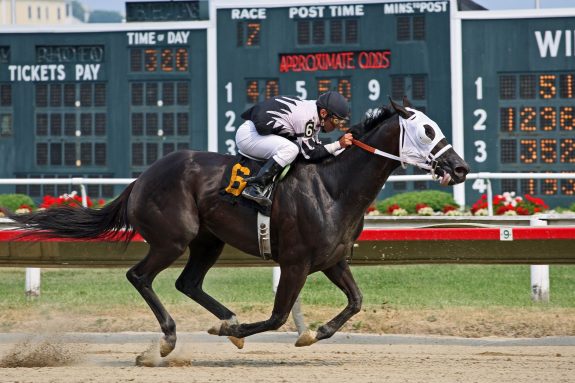
A value bet appears when the odds on offer imply a lower chance of winning…

Fractional odds describe potential profit as a ratio to the stake. For a broader view…