Sportsbook Age Verification Requirements Before Betting
Sports betting does not have one universal minimum age. Depending on the market, the threshold…

Crossing a border can unlock an app without making a visitor eligible to register.
A traveler may open a sportsbook app at a hotel and see live odds, yet still fail at sign-up or deposit. Physical presence is usually only one requirement. The operator may also request proof of age, government-issued identification, a residential address, tax details, or an eligible payment method in the same name.
Rules vary sharply by jurisdiction and sportsbook. Some accept out-of-state visitors once geolocation confirms they are inside the permitted area; others require local residency or identity details that overseas tourists may not have. Location services must remain enabled, and VPNs or remote-access software can trigger a block. Even after registration, withdrawals may require another identity check, so eligibility should be confirmed before depositing.
Sometimes. Local law and operator terms decide, and either may impose residency or visitor restrictions.
No. Registration, verification, deposits, wagering, and withdrawals are separate approvals. A later step can fail after earlier acceptance.
A passport may prove identity, while a local address, tax number, or supported payment method may also be required. Rules vary by book.
Do licensed local sportsbooks accept visitors?
Some do; others restrict accounts to residents even when local law permits visitor betting. Physical presence does not override their terms.
Does geolocation settle eligibility?
No. Geolocation confirms where betting occurs, not whether the customer or payment method qualifies. Other checks still apply.
Why can a withdrawal fail after a win?
Sportsbooks may repeat identity, payment ownership, or source-of-funds checks before paying out. Successful deposits and wagers do not guarantee withdrawal approval.
What about offshore sportsbooks?
A reachable offshore site is not necessarily legal, locally licensed, or safe. This guide to offshore sportsbook access explains that distinction.
Registration usually requires a legal name, birth date, residential address, phone number, and email. Many operators also ask for a tax number, Social Security number, or equivalent national identifier.
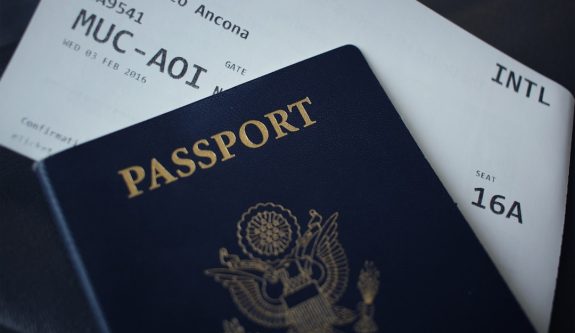
A valid passport commonly establishes identity and legal age. Depending on the operator, a driver’s license or national identity card may also be accepted.
No. A passport proves who the holder is, but it may not prove residence or provide the locally accepted address an operator requires. A utility bill, bank statement, or other recent address document may be requested.
The submitted details must usually match across the account, ID, payment method, and verification databases. Sportsbooks that accommodate international residents may check national identifiers and addresses differently, but tourists are not automatically eligible.
Having an accepted passport does not override local-address, residency, tax, or payment requirements. Document acceptance and account eligibility are separate decisions.
Usually. The app or website may require precise-location access and geolocation software before registration, deposits, or bets can proceed.
No. Sportsbooks may compare GPS data with nearby Wi-Fi networks, mobile-tower signals, the device’s IP address, and other indicators to confirm that it is physically inside an approved jurisdiction.
Disabled permissions, weak signals, VPNs, remote-access tools, or being near a jurisdictional border can trigger a failure. Repeated mismatches may lead to manual review, where the operator requests documents or additional device checks.
No. Location verification is separate from identity and sportsbook age verification requirements, and both must usually be satisfied. Minimum ages, accepted evidence, and review procedures vary by jurisdiction and operator.
A successful sign-up does not guarantee later access. Sportsbooks may repeat geolocation checks when a bet is placed or an account action is requested.
Resident-only terms can exclude tourists even when local betting is legal. Eligibility rules should be read before registering.
Some sites cannot verify overseas numbers or send required SMS codes. Support can confirm accepted formats.
Banks may block gambling or cross-border charges, while sportsbooks may reject foreign cards or unsupported currencies. Conversion fees may also apply.
Usually, yes. The cardholder name, billing address, and account records should align; mismatches may trigger rejection or review.
Login may remain available, although geofencing usually blocks new wagers outside the licensed area. Exact account rules after changing countries vary by operator.
Valid bets normally remain active and settle after the event finishes. Winnings are then credited to the account, even if betting access is blocked.
Often yes, but withdrawal may trigger fresh identity, payment-source, or address checks. Foreign payment methods and unsupported countries can delay or prevent a payout route.
Operators may charge fees, restrict access, or close inactive accounts under their dormant-account terms. Problems are more likely if the sportsbook does not serve the account holder’s home country.
Save transaction records and complete verification early. Resolving document or payment issues is usually easier while still in the licensed location.
Check the regulator’s rules and the sportsbook’s terms. Being physically present may not be enough if registration is limited to residents.
The visitor must meet both the legal minimum age and any higher operator limit. Confirm that a passport, foreign address, phone number, and requested tax details will be accepted.
Obtain written confirmation that nonresidents may register, deposit, and later withdraw—including after leaving. Save the chat transcript or email in case the account enters manual review.
Confirm that the operator accepts the intended foreign-issued card or wallet for both deposits and withdrawals. Review name-matching rules, currency conversion costs, and withdrawal fees.
Find out whether login, verification, bet settlement, and cash-outs remain available from the home country. Note processing times and keep an accepted withdrawal method active.
Never provide false residency details or use location-masking tools; either can lead to rejection, suspension, or withheld funds.
Registration is sensible only when local law, written operator terms, and support confirmation clearly cover nonresidents and later withdrawals. Any unresolved residency, payment, or post-departure restriction is a reason not to deposit.