




Coinbase Explores Token Launch for Ethereum Layer-2 Network Base, Stirring Industry Speculation
September 16, 2025 50 Views
Coinbase, a leading cryptocurrency exchange, has recently made waves in the blockchain community by expressing…
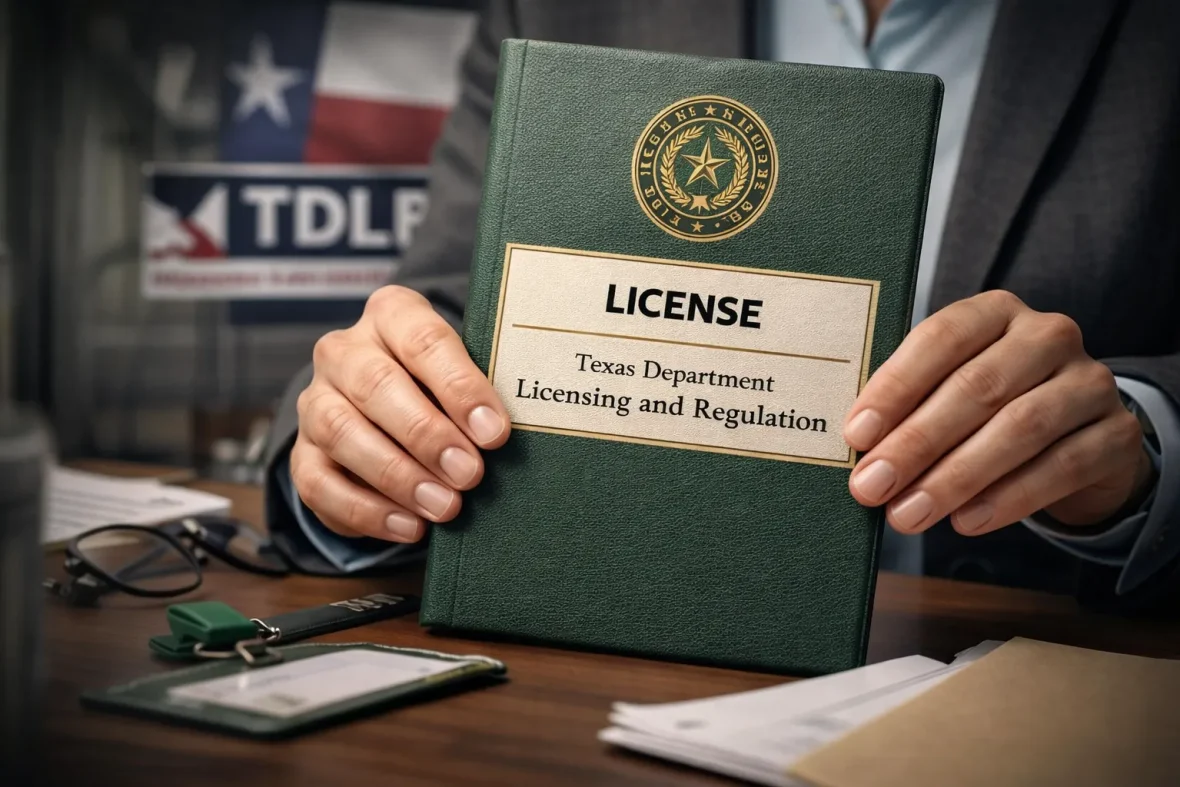
At 11:47 p.m., a Texas resident uploads a renewal form, pays a fee, and then stops cold. The state agency on the screen handles occupational licenses, not the gambling rules they thought they were checking. One late-night click, one loaded word like “licensed,” and the whole situation turns slippery.
That confusion sits at the center of tdlr licensing and regulation - Sports news regulation and licensing. The Texas Department of Licensing and Regulation handles a wide range of licenses and enforcement work inside Texas. It does not serve as your all-purpose answer for online sportsbooks, casino legality, or whether a Bitcoin cashier makes a betting site compliant.
If you are comparing a flashy offer like BetUS 200% Crypto sign-up Bonus up to $2,750 - Go betus crypyo bonus, slow down first. A big bonus, a polished footer, or a crypto deposit option tells you almost nothing about which regulator matters — or whether the business is properly authorized at all.
TDLR stands for the Texas Department of Licensing and Regulation. It is a Texas state agency that oversees licensing and regulation - Sports news licensing and regulation for many occupations and business activities. If your question is, “Can this person or company legally perform this kind of work in Texas?” TDLR is often a sensible first stop.
Think practical, regulated trades and services. Electricians, cosmetology-related businesses, massage therapy, tow operations, and several contractor categories fall into the kind of work TDLR commonly oversees. The exact rules differ by license type, but the pattern is familiar: application, eligibility, fees, renewal, and ongoing compliance.
That is why TDLR feels broad. It touches real businesses people use every week in Houston, Dallas, Austin, and everywhere between. But broad is not the same as universal.
TDLR does not regulate every online betting question, every crypto payment issue, or every site that throws around compliance language. It is not the agency bettors should use to check whether a sportsbook or casino is legally operating. If you are checking a gambling site, you need the gambling regulator tied to that operator’s licensing claim.
If you are checking a gambling site, start with the gambling regulator first; TDLR is about licensing, not betting approvals.
| What You Want To Check | Where To Start | Why |
|---|---|---|
| A Texas occupational or business license | TDLR | It handles covered state licensing programs and status records. |
| An online sportsbook or casino claim | The relevant gambling regulator | Gaming approval sits with the gambling authority, not TDLR. |
| A Bitcoin payment option on a betting site | The operator’s legal terms and regulator | Payment method does not decide legal authority. |
Licensing usually exists to set minimum standards for training, conduct, and compliance. For you, that creates a first filter. Is the business real? Is the license current? Can you trace the legal name behind the claim?
A license is not praise. It is a record. When a contractor in San Antonio says they are licensed, or a business claims it is approved, you should be able to check that statement without playing detective for an hour.
A license is only useful if you can verify it.
Regulation gives you a path when something goes wrong. Agencies can investigate complaints and take action against noncompliant license holders. That may mean warnings, discipline, restrictions, suspension, or losing the license, depending on the rules involved.
Without that framework, you are left with customer support chats, vague promises, and screenshots of terms that seem to move when you need them most. If you have ever chased a delayed payout or disputed invoice, you know how thin that protection feels.
Because Bitcoin changes the rail, not the rules. A wallet address, USDT checkout, or “instant crypto withdrawal” banner does not replace the need to verify whether a business is properly licensed. In fact, faster deposits can make sloppy decisions easier.
That is the practical lesson. A crypto-friendly site may still have weak disclosures, mismatched legal names, or no clear regulatory trail. You should treat “licensed” the same way you treat “best odds - Sports news regulation and licensing department” or “no-deposit bonus” — as a claim that needs proof.
Most licensing systems follow the same basic rhythm. You pick the correct license type - Sports news department of regulation and licensing, complete the application, submit the required documents, pay the fee, and wait for review. Depending on the occupation, that process may happen mostly online, partly on paper, or both.
Usually, an application is only the start. Applicants often need supporting documents, payment of fees, and proof that they meet the eligibility rules. Some licenses require exams, background checks, fingerprints, training records, work history, or continuing education depending on the occupation.
This is where people trip. They assume every program works the same way. It does not. A document mismatch as small as “Robert J. Smith” on an ID and “Bob Smith” on a filing can slow things down fast.
Keeping a license active usually means renewing it before it expires and following ongoing rules after approval. That can include updated fees, continuing education, recordkeeping, or responding to agency inquiries and complaints. Approval is not the finish line.
The late-night renewal scene matters for a reason. Many people treat licensing like a one-time hurdle, then get surprised when a missed date or stale paperwork creates trouble months later.
The biggest mistake is treating licensing as a one-time approval; renewal deadlines matter just as much as the first application.
No. TDLR regulates covered occupations and business activities in Texas, not casino or sportsbook licensing. If a betting site says it is licensed, you should check the gambling authority in the jurisdiction the operator names — not TDLR.
If a site points to Curaçao, Malta, or a specific U.S. state, that is the place to verify the claim. The words in the footer matter less than the actual record behind them.
No again. Using Bitcoin or another cryptocurrency does not change which regulator has authority over a business. Crypto can change how you pay, not which regulator applies.
Crypto can change how you pay, not which regulator applies.
A fast deposit, a slick wallet screen, and a no-KYC promise can feel modern. None of that proves lawful operation, good complaint handling, or a real licensing trail.
Start with the business type, then the claimed jurisdiction, then the legal entity name. To confirm a license, you usually need the business name or license number and the current status of the license. “Exists somewhere” is not enough; you want current, matching, and relevant.
If the name on a website does not match the name on the license record, that is a warning sign. The same goes for expired status, missing numbers, or vague phrases like “internationally compliant” with no authority named.
A careful consumer should verify the correct regulator before relying on any business claim about being licensed. For an occupational service in Texas, that may be TDLR. For a sportsbook offering Bitcoin payouts, it will be the gambling authority the operator actually claims to fall under — if one is clearly identified.
A guide like Betting52.com can help you compare Bitcoin-friendly sportsbooks and casinos, but your final step should still be an independent license check. Verification works best when you do not outsource all of it.
Saving screenshots and receipts creates a record if a dispute comes up later. Save the bonus page, the legal terms, the deposit confirmation, the license number, and the date you checked the record. A screenshot from May 14, 2026, is far more useful than “I’m pretty sure the page said that last week.”
That habit sounds boring. It is also the difference between a clean complaint and a messy argument.
The same verification step should be used before accepting a welcome bonus or making a crypto deposit. That includes aggressive promotions like BetUS 200% Crypto sign-up Bonus up to $2,750 - Go betus crypyo bonus. A big offer can be real and still sit next to unclear terms or weak regulatory disclosures.
| Before You Act | What To Verify | What To Save |
|---|---|---|
| Before signing up | The correct regulator for that business type | A screenshot of the site footer or legal page |
| Before depositing | License number, legal entity name, current status | The search result or license record |
| Before claiming a bonus | Eligibility, jurisdiction limits, rollover terms | The promo page and full terms |
| If a dispute starts | Dates, receipts, support messages, transaction IDs | Everything in one folder |
Before you deposit, verify the regulator; before you chase a bonus, verify the rules.
TDLR licensing and regulation gets much clearer once you separate Texas occupational oversight from gambling approval.
That distinction protects you from an expensive mistake: treating a renewal page, a Bitcoin deposit option, or a giant bonus as proof that a business deserves your trust. Verify the right agency, confirm the current license, and save the evidence.
When the next site promises speed, crypto convenience, and a richer offer, what will you check before you believe it?
Curated lists of Bitcoin-accepting sportsbooks, casino comparisons, bonus roundups, and crypto news help value-focused bettors find licensed options with less guesswork.

Coinbase, a leading cryptocurrency exchange, has recently made waves in the blockchain community by expressing…

Crypto betting site comparison and guidesTable of ContentsSelection criteria for betting sites that accept cryptoFast…
