Choosing Sportsbook Software Providers for a Bitcoin Betting Brand
June 30, 2026 45 Views
Procurement should insist on clear, machine‑readable architecture diagrams (network, service boundaries, data flow) and operational…
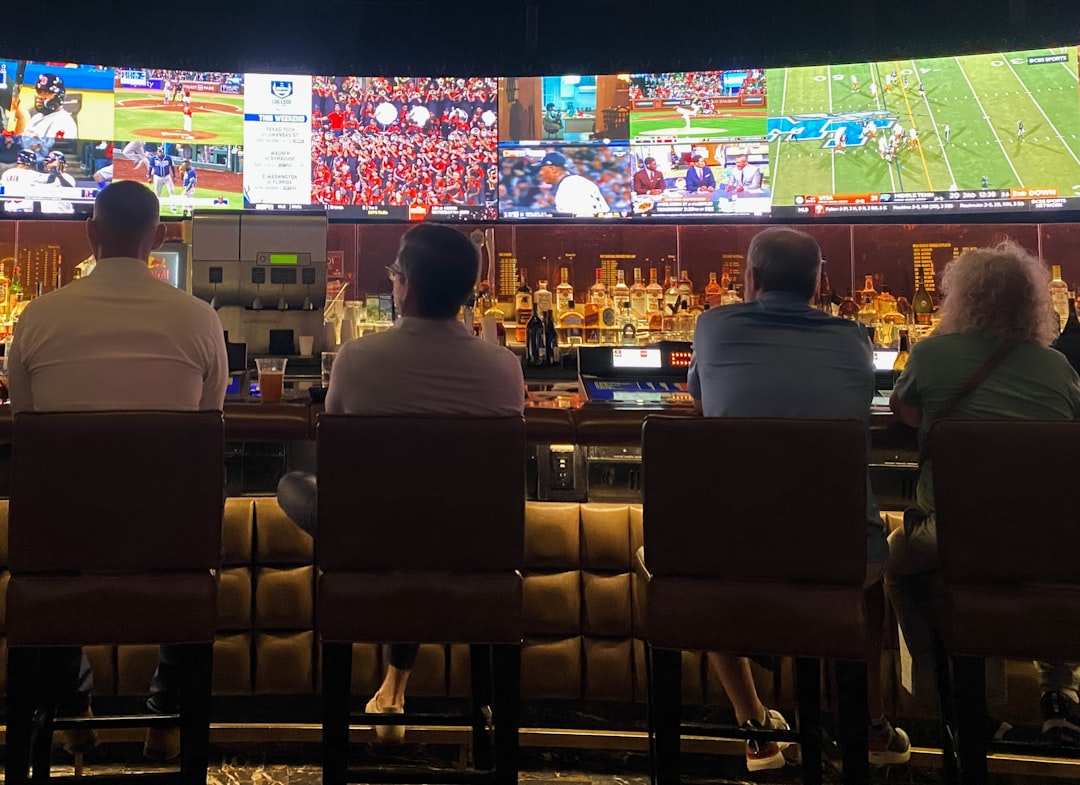
At kickoff, a sportsbook is judged one bet confirmation at a time.
Two minutes before a World Cup final or Super Bowl kickoff, a promotion can send thousands of people from an ad straight to the same betting market. Odds are moving, deposits are arriving, and the first live-bet requests may already be appearing. A green uptime dashboard is little comfort if a customer sees a price, taps to place a wager, and receives no clear result.


The important chain is price → acceptance → recording → confirmation. A quote must still be current when it is accepted; the wager must be written once, against the right balance and limits; and its settled status must reach the customer without ambiguity. A delay or mismatch at any point creates more than a technical incident: it invites duplicate taps, payment disputes, support queues, and doubts about whether the book honored the bet. Peak readiness means protecting that full transaction path, not merely keeping the homepage online.
A large audience is not automatically a large betting load. Visitors may only read odds or scores; logged-in concurrent users keep sessions, balances, and bet slips active at the same time. The sharper capacity signal is submissions per second: stake checks, price validation, wallet updates, and confirmations arriving together.
In-play update velocity is a separate pressure source. A match can generate frequent odds changes, score events, and suspended markets even when relatively few people are placing bets. Those updates must reach screens quickly enough that displayed prices do not lag behind the trading feed.
The Super Bowl tends to create a narrow, highly synchronized surge. Interest builds before kickoff, but major submission bursts cluster around pre-game deadlines, halftime, and pivotal plays. Planning should test short, steep peaks rather than merely a busy evening.
The World Cup has a longer and less uniform rhythm:
Monthly pageviews flatten these patterns into a reassuring average. Event forecasts should instead map concurrent sessions, bet submissions, and live-price updates against each fixture and its likely turning points.
Login must create one valid customer session, apply location and age checks where required, and load the correct wallet state. A stale session or delayed balance here can turn a later wager request into a confusing failure.
When a customer taps Place Bet, the platform should recheck odds, market status, stake limits, account restrictions, and available funds. The acceptance response needs a durable bet ID and a clear accepted, rejected, or pending result—not an ambiguous spinner.
The wager record and wallet debit must agree. Idempotency keys and request tracking help prevent a retry, double-tap, or network timeout from creating two bets or two debits.
Suspensions, odds moves, and event feeds affect whether an offered price can still be honored. Those updates must reach the bet-validation service quickly, while the audit trail preserves what was shown and accepted.
After an official result, settlement calculates the outcome, posts the credit or loss, and updates bet history and statements. Corrections should be traceable and communicated without silently changing a customer’s balance.
A delayed editorial page may cause a customer to leave. A delayed or duplicated wager can create disputed balances, manual support work, chargeback risk, and questions from regulators about record accuracy.
The most important monitoring therefore follows transaction latency and outcomes: acceptance time, wallet-debit failures, duplicate-prevention hits, pending bets, settlement lag, and mismatches between bet records and balances. During peak moments, an honest “pending confirmation” state is safer than implying that an unconfirmed bet was placed.
A peak does not require every part of a sportsbook to scale in the same way. The safest approach is to add capacity freely around read-heavy, repeatable work while keeping the money-critical record deliberately controlled.
Stateless web and API services can be replicated as demand rises. So can delivery of assets, schedules, market displays, help pages, and other content that is safe to cache. A CDN and short-lived cache responses can remove a large share of browsing traffic before it reaches core systems.
Useful candidates for elastic scaling include:
Balances, stake limits, accepted prices, and the wager ledger need a single authoritative outcome. When a customer submits a bet, the platform must decide once whether the quoted odds are still valid, funds are available, limits permit the stake, and the wager has been recorded. Extra application instances can process requests, but they should not create competing versions of that decision.
A bigger server may postpone a bottleneck, yet it does not prevent duplicate submissions, stale odds, or conflicting wallet updates. Better peak readiness uses idempotency keys, ordered writes where needed, and a clear response for pending requests. Elastic infrastructure then protects the front door, while consistency protects the bet.
In-play markets create a different failure mode: a price can be correct when displayed and wrong seconds later. A resilient sportsbook uses more than one source for key events, with rules for reliable third-party odds-feed integration when a primary feed slows or disagrees.
Each update needs a timestamp and a freshness threshold. When a feed becomes stale, affected markets should suspend automatically, rather than continue accepting bets at an uncertain price. Operators also need monitoring for sudden gaps, unusual price jumps, and conflicting sources.
At acceptance, the platform must recheck the price. If it has moved, it should either accept the revised odds only after a clear confirmation or reject the wager plainly. A silent substitution is hard to defend; the receipt should record the accepted price and time.
During a surge, a trading desk cannot safely rely on a queue that merely “eventually” catches up. Each bet submission needs an idempotency key, so retries caused by a slow app or dropped connection return the original result rather than creating a second wager.
Acceptance should be one recorded decision: confirm the account limit, available balance, market status, and quoted price against a versioned snapshot; then reserve funds and write the ticket. If anything changes first, reject or requote plainly. This leaves an audit trail for disputes.
For preventing exploited lines with stronger risk tools, controls should suspend a market when feed lag, unusual liability, or stale prices cross a threshold. Sequence numbers and short price-validity windows also stop old lines being submitted after an update.
A homepage can stay fast while the betting operation is already failing. Event testing should replay the moments that matter: a goal, a touchdown, a price change, a cash-out rush, or a broadcaster-driven surge seconds before kickoff.
Use authenticated, stateful sessions, not anonymous page views. Test traffic should log in, receive live odds, check balances, place bets, trigger wallet debits, retrieve receipts, and create the audit trail that support and risk teams depend on. Include back-office users suspending markets, changing limits, and investigating a disputed wager.
Each run needs a written decision rule. For example: 99% of accepted bets receive a receipt within an agreed window; no wallet debit lacks a corresponding wager record; stale odds suspend affected markets; and recovery clears queues within a defined period without replaying or losing bets. A test that only reports average response time cannot establish that.
Event-day monitoring should alert on symptoms customers actually feel: login failures, deposit declines, slow bet acceptance, stale odds, and missing receipts. Dashboards need business measures beside CPU and latency, including accepted bets per minute, supplier-specific error rates, wallet timeouts, and suspended-market volume.
Every alert needs a named owner, a backup, and a decision deadline. The incident lead coordinates technical, trading, payments, and support teams; security testing for high-traffic sites helps ensure that path is not easily disrupted. Supplier contacts, test transaction IDs, and escalation channels should be prepared before kick-off, not searched for during an outage.
A predictable pause is better than accepting a wager that cannot be priced, funded, or recorded correctly. When a dependency is uncertain, suspend the affected market, hold the customer at a clear confirmation screen, and preserve enough ticket detail for support to investigate. Do not silently retry a debit or present an acceptance message before the authoritative record exists.
Fraud, bots, and hostile traffic should remain visible in separate views during a legitimate surge. Rate limits and challenges can protect entry points without treating every excited fan as an attacker. Public status updates should state what is affected, what is safe to do, and when the next update will appear; support teams need the same wording.
If acceptance cannot be confirmed end to end, the safest response is to pause or reject clearly, not guess that the bet went through.
Request results from a rehearsal that matches projected concurrent sessions, bet submissions, live-price updates, and settlement load. The agreement should state the supported level, performance targets, headroom, and remedies if those targets are missed.
A supplier should identify every service involved in accepting and settling a wager, including feeds, payments, identity checks, messaging, and cloud regions. For each, there should be a clear regional failure mode and a safe degraded state.
Ask how quickly a failed wagering component has been restored in drills, who owns the incident, and how suppliers join the call during an event. A 24/7 contact is useful only when escalation authority and response expectations are documented.
Dashboards should show accepted, rejected, pending, and duplicated bets alongside wallet, feed-freshness, and regional health signals. Operators need enough detail to pause a market or trace a customer outcome without waiting for engineering.
Use prior kickoffs, finals, and major in-play moments to estimate browsing, login, bet-submission, and odds-update peaks separately.
Load-test the full wager path until one dependency becomes slow or unreliable; that bottleneck sets the practical event limit.
Simulate a delayed odds feed, wallet slowdown, or payment dependency loss while operations practise suspending markets and communicating clearly.
Define when to add capacity, reduce nonessential traffic, suspend affected markets, and escalate to suppliers. Assign an owner to each decision.
Compare forecasts with actual peaks, inspect rejected and delayed wagers, and turn each finding into a tested change before the next fixture.
Readiness is demonstrated when the sportsbook can accept the right wager at the right price, record it once, debit the correct balance, and confirm the outcome under the worst plausible demand. Repeating this loop makes the next World Cup match or Super Bowl a measured operational test rather than a leap of faith.

Procurement should insist on clear, machine‑readable architecture diagrams (network, service boundaries, data flow) and operational…